
Safety gloves work hard every day. They handle rough surfaces, sharp edges, heavy tools, oils, heat, friction, machinery, and countless repetitive movements. But while workers often inspect their tools and equipment before starting a job, one important question can easily be overlooked:
Are your safety gloves still doing their job?
A glove does not need to be completely torn apart before it becomes unsafe. Small changes in the palm, coating, fit, flexibility, or protective material can reduce its performance long before the damage looks serious.
For workers in construction, manufacturing, warehousing, automotive work, mechanical maintenance, fabrication, welding, assembly, and other industrial environments, knowing when to replace work gloves is an important part of everyday hand safety.
At Noorsons Safety, we believe choosing the right industrial safety gloves is only the first step. Knowing when those gloves have reached the end of their useful life matters just as much.
Here are five warning signs that can help you recognize when your work gloves should be replaced.
Why Worn Safety Gloves Are More Dangerous Than They Look
Industrial work gloves are designed to create a functional layer between the hands and workplace hazards. Depending on their design, they may help workers manage abrasion, cuts, heat, impact, oil, dirt, friction, or other job-specific risks.
The problem is that this protective performance changes with use.
Every time a worker grips a tool, handles rough material, lifts equipment, moves boxes, works with metal, or operates machinery, the glove experiences stress. Over time, the material becomes thinner, coatings lose texture, seams weaken, and the glove may no longer fit the hand as securely as it once did.
This gradual deterioration can affect more than hand protection. It can also reduce grip stability, dexterity, comfort, and control.
That is why glove replacement should be based on condition and performance, not simply on how long the gloves have been in use.
1. The Glove Is Showing Visible Wear
The easiest place to begin is with a visual inspection.
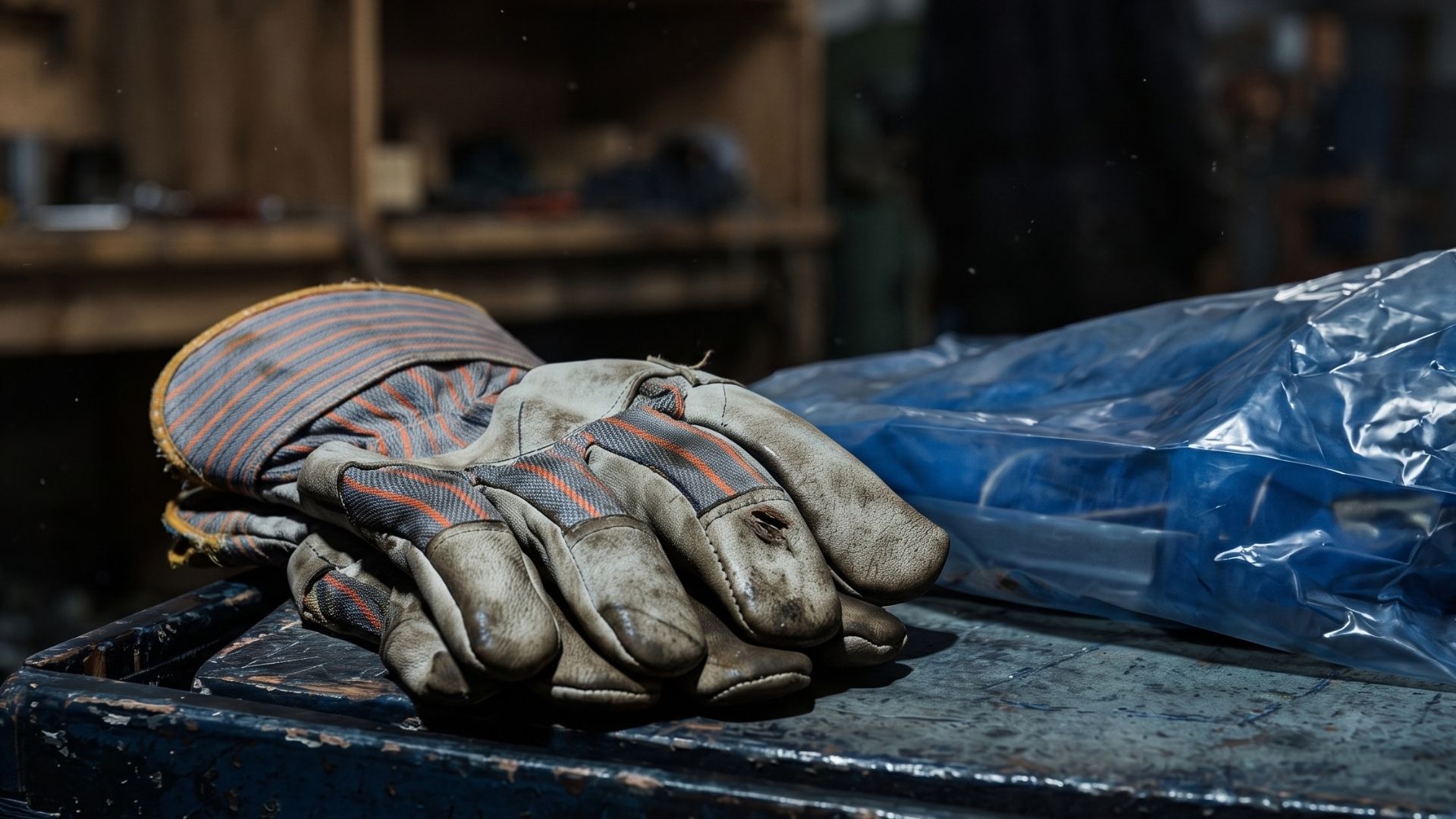
Small cuts, damaged stitching, worn fingertips, thinning palms, or exposed liner material may seem minor during a busy shift. However, these are often early signs that the glove is reaching the end of its working life.
Pay particular attention to the areas that experience the most contact.
The thumb, fingertips, palm, and area between the thumb and index finger frequently wear faster because they are constantly involved in gripping and handling.
Warning signs can include:
- Cuts, holes, punctures, or split seams
- Frayed stitching around fingers and cuffs
- Thin or polished areas on the palm
- Damaged fingertips
- Burned, melted, or heavily abraded surfaces
A useful rule is simple: do not wait for a small defect to become a large one.
Once the glove’s structure has been compromised, its original protective performance should not automatically be assumed.
2. Your Grip Does Not Feel the Same Anymore
A glove can still look usable while its grip performance has already started to decline.
This is especially important for workers handling tools, machinery components, metal parts, cartons, fasteners, pipes, automotive components, or oily surfaces.
Many coated work gloves rely on materials such as nitrile, latex, or other engineered surfaces to improve traction. Repeated contact with abrasive materials, oils, chemicals, dirt, and workplace surfaces gradually changes that coating.
You may notice that the palm has become unusually smooth or shiny. The coating may begin cracking, peeling, or separating from the liner. In other cases, the worker may simply notice that more hand pressure is required to hold the same object securely.
That change matters.
When workers need to squeeze harder to maintain control, hand fatigue can increase. A weak or inconsistent grip may also make precise handling more difficult.
If a glove no longer provides the level of grip expected for the task, replacing it is usually more sensible than continuing to work around the problem.
3. The Gloves Have Lost Their Natural Flexibility and Fit
Good safety gloves should move with the hands rather than fight against them.
With repeated use, however, glove materials can change. Leather can become hard. Coated materials may stiffen. Elastic sections can stretch. Liners may shift, shrink, or lose their original shape.
These changes can make gloves feel very different from when they were new.
A worker might find it harder to bend the fingers naturally, pick up small components, operate controls, use a screwdriver, handle fasteners, or perform detailed assembly work.
Fit problems can develop in the opposite direction too.
Gloves that become excessively loose may move around the hand during work. Fingers may no longer sit correctly inside the glove, and excess material can interfere with accurate handling.
This is particularly important in jobs where hand dexterity and precision grip are essential.
A safety glove should provide appropriate protection without unnecessarily limiting movement. When stiffness, stretching, shrinkage, or deformation begins interfering with normal hand control, it is time to reassess the glove.
Comfort Is Part of Performance
Comfort should not be treated as an optional feature.
Workers use their hands continuously throughout the day. Gloves that create pressure points, restrict movement, trap excessive moisture, or require constant adjustment can make tasks more difficult.
A glove that fits properly can support more natural movement and consistent handling throughout a shift.
If workers are repeatedly removing or adjusting their gloves because of discomfort, the glove condition, size, design, and suitability for the task should all be reviewed.
4. The Inside of the Glove Is Telling You Something
Not every warning sign appears on the outside.
The inside of an industrial glove is exposed to sweat, heat, moisture, dust, and repeated contact with the skin. Over time, these conditions can affect both hygiene and material quality.
A strong persistent odor is one obvious warning sign. Excessive dampness that does not disappear after proper drying can be another. Workers may also notice that the internal lining is breaking apart, becoming rough, or separating from the outer glove.
These are not simply cosmetic problems.
Internal deterioration can affect comfort, fit, and the overall condition of the glove.
Gloves should be cleaned only according to the manufacturer’s instructions because washing or drying unsuitable gloves can damage certain materials or protective properties.
Where gloves have been heavily contaminated, damaged internally, or cannot be hygienically restored, replacement is generally the safer option.
5. The Protective Performance Is No Longer Certain
This is one of the most important signs and sometimes the hardest to see.
Not every form of glove degradation creates an obvious hole.
Specialized cut-resistant gloves, impact-resistant gloves, chemical-resistant gloves, welding gloves, and electrical protective gloves may depend on specific materials and construction methods to perform correctly.
Those protective systems can deteriorate through repeated exposure and use.
For example, cut-resistant fibers can suffer wear without immediately developing a visible opening. Impact protection components can become compressed or damaged. Chemical exposure may alter certain glove materials. Heat can weaken or harden materials. Specialized electrical protective gloves may also require inspection and testing procedures according to the applicable standard, glove type, manufacturer guidance, and workplace requirements.
This leads to an important principle:
When the protective performance of a safety glove is uncertain, appearance alone should not be used as proof that it is still suitable.
For higher-risk applications, follow the glove manufacturer’s instructions and the safety requirements applicable to the specific workplace and hazard.
There Is No Universal Replacement Schedule
One of the biggest mistakes in glove management is assuming that every pair should last a specific number of days or weeks.
There is no single replacement interval that works for every workplace.
A glove used occasionally for light material handling will experience very different wear from a glove used every day around abrasive metal, oil, heat, or heavy equipment.
Glove lifespan can depend on:
Task intensity: Heavy and repetitive work generally creates faster wear.
Contact surfaces: Rough or sharp materials can damage gloves more quickly than smooth components.
Work environment: Heat, moisture, oils, dirt, sunlight, and certain chemicals can affect materials differently.
Glove construction: Leather, coated textiles, engineered fibers, and other materials have different performance characteristics.
Care and storage: Proper handling after use can help prevent unnecessary deterioration.
Instead of asking, “How many days should these gloves last?” a better question is:
“Are these gloves still suitable for the hazard and task they are being used for?”
A 30-Second Glove Check Before Work
A quick inspection before each shift can help workers catch obvious problems before starting a task.
Look at the palm and fingertips first. Check for holes, thinning areas, coating damage, cuts, burns, or unusual wear.
Then inspect the seams and cuff.
Flex the fingers and palm. The glove should move normally without cracking, unusual stiffness, or severe deformation.
Finally, think about the previous use of the glove. If it was exposed to a substance or condition that may affect its protective properties, follow the relevant manufacturer guidance before using it again.
Thirty seconds of inspection can reveal problems that might otherwise be discovered halfway through a job.
Proper Storage Can Help Your Work Gloves Last Longer
Replacement is important, but premature wear can often be reduced through better glove care.
After use, gloves should be stored according to the manufacturer’s recommendations. As a general practice, avoid leaving them unnecessarily exposed to direct sunlight, excessive heat, moisture, or contaminants.
Gloves should be allowed to dry appropriately when needed before storage. They should also be kept away from sharp objects or rough surfaces that could damage them while they are not being worn.
Most importantly, do not assume that every industrial glove can be washed, dried, or reused in the same way.
Different materials require different care.
Following the manufacturer’s cleaning and storage instructions helps preserve the glove’s intended properties and makes it easier to identify genuine wear.
Choosing the Right Replacement Safety Gloves
When an old pair reaches the end of its useful life, replacing it with any available glove is not enough.
The replacement should match the actual task.
Start by identifying the primary workplace hazards. Does the job involve sharp edges, abrasion, heat, mechanical handling, oil, impact, welding, assembly, or another specific exposure?
Then consider how much dexterity and grip the worker needs.
A glove suitable for heavy material handling may not be ideal for precision assembly. A welding glove has very different requirements from a general-purpose handling glove. Likewise, mechanical work can demand a different combination of grip, flexibility, durability, and hand coverage.
Where applicable, review relevant glove markings, standards, manufacturer specifications, and workplace risk assessments before selecting PPE.
The goal is not simply to wear gloves.
The goal is to wear the right safety gloves, in the right condition, for the right task.
Make Glove Inspection Part of the Workday
Hand protection becomes more effective when inspection is part of the routine rather than something workers think about only after a glove fails.
Supervisors and workers can make glove checks part of pre-shift PPE inspections. Damaged gloves should be separated from usable stock so they are not accidentally worn again.
Replacement gloves should also be readily available.
If workers have to continue using worn PPE because replacements are difficult to access, even a good safety policy can fail in practice.
A strong hand protection program combines appropriate glove selection, worker awareness, regular inspection, proper storage, and timely replacement.
Conclusion: Do Not Let Your Gloves Reach the Breaking Point
Safety gloves rarely go from perfect condition to complete failure in a single moment. In most cases, they give warning signs first.
A thinning palm, weaker grip, damaged coating, stiff material, poor fit, deteriorating liner, or uncertainty about protective performance can all indicate that a glove needs closer inspection or replacement.
Recognizing those signs early helps workers maintain better grip, dexterity, comfort, and hand protection throughout the working day.
At Noorsons Safety, we provide safety gloves designed for demanding industrial applications, including solutions for general handling, assembly, mechanical work, welding, and other professional tasks.
The right glove is an important part of the job, but keeping that glove in reliable working condition is what helps it continue performing when your hands need it most.
Looking for reliable industrial safety gloves for your workforce? Explore the Noorsons Safety range at noorsonss.com and choose hand protection suited to the demands of your work.