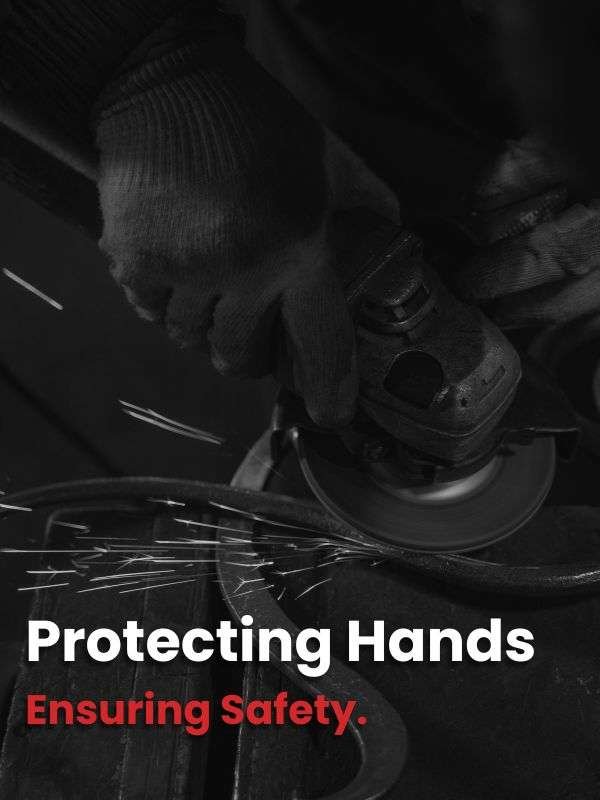

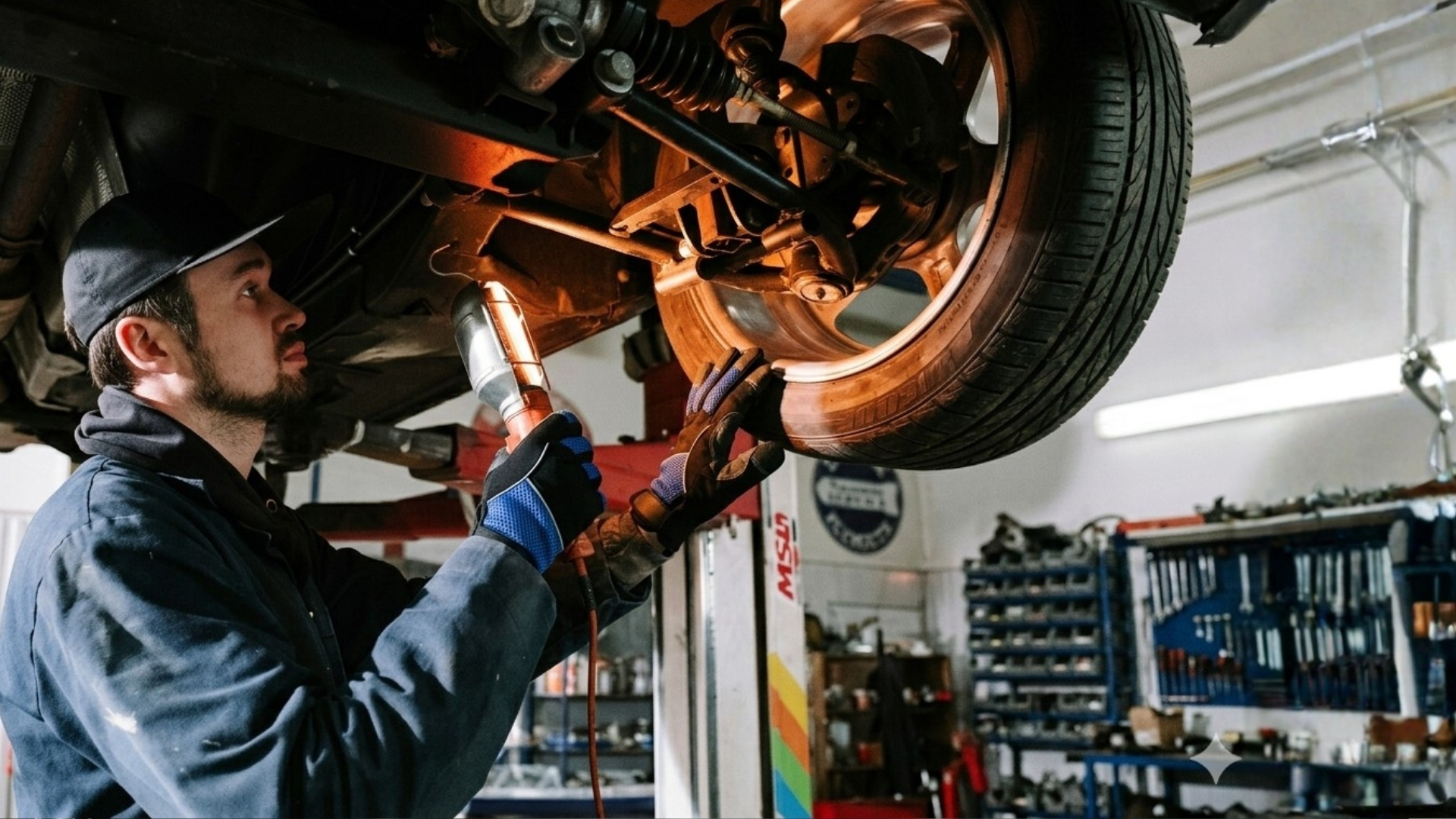
In today’s automotive and industrial work environment, mechanics are exposed to more risks than ever before. From handling heated engine components to working with sharp metal edges and chemical fluids, the nature of the job demands constant interaction with potentially harmful elements.
Despite this, many professionals still underestimate the importance of proper hand protection. Gloves are often treated as an optional accessory rather than an essential tool. The reality, however, is quite different. Your hands are the most frequently used part of your body during work, and even minor injuries can affect your efficiency, productivity, and long-term health.
Choosing the right mechanic gloves is not just about safety, it directly impacts how well you perform your job.
The Daily Risks Mechanics Face
A typical workday in a garage or workshop involves a variety of tasks, each carrying its own risks. Mechanics constantly come into contact with oils, fuels, and chemicals that can irritate or damage the skin over time. At the same time, hot engine parts and exhaust systems pose a serious burn hazard, especially during continuous work.
In addition to this, sharp metal components and worn-out parts increase the chances of cuts and injuries. Heavy tools such as impact wrenches and hammers create pressure and strain on the hands, while repetitive movements can lead to fatigue and long-term discomfort.
These risks are part of everyday work, and without proper protection, they can quickly turn into serious problems.
Most common hazards include:
- Chemical exposure from oils, fuels, and solvents
- Burns from hot engine parts and tools
- Cuts from sharp or broken metal components
- Impact injuries from heavy tools
- Hand fatigue due to repetitive movements
Why the Right Gloves Make a Real Difference
Using the right gloves changes how you work. Instead of constantly being cautious or uncomfortable, you gain confidence and control in your tasks. Good gloves provide a balance between protection and usability, allowing you to handle tools and parts effectively without compromising safety.
A well-designed glove offers protection against chemicals, reduces the risk of cuts and burns, and improves grip when dealing with oily or small components. At the same time, it ensures comfort by allowing breathability and flexibility, which is essential for long working hours.
With the right gloves, you get:
- Better grip on tools and small parts
- Reduced risk of cuts, burns, and irritation
- More comfort during long working hours
- Improved control and precision
- Higher efficiency in daily tasks
In simple terms, the right gloves do not just protect your hands, they improve your overall work performance.
Understanding That One Glove Is Not Enough
One of the biggest misconceptions among mechanics is the idea that a single type of glove can handle all tasks. In reality, different jobs require different types of protection.
Professionals who understand this do not rely on one glove. Instead, they use specific gloves based on the nature of the work. This approach not only enhances safety but also improves efficiency, as each glove is designed for a particular purpose.
Nitrile Gloves: Essential for Chemical and Fluid Work
When it comes to handling oils, fuels, and chemicals, nitrile gloves are considered the most reliable option. They are designed to resist substances that would normally damage or break down other materials.
These gloves provide strong protection while still maintaining flexibility, allowing mechanics to perform detailed tasks without difficulty. They are especially useful in situations where direct contact with fluids is unavoidable.
Best used for:
- Oil changes
- Fuel system work
- Leak detection
- Handling chemicals and solvents
Because of their durability and resistance, nitrile gloves have become a standard choice in the automotive industry for chemical-related tasks.
Latex Gloves: Designed for Precision and Comfort
Latex gloves are known for their flexibility and ability to provide a close fit, almost like a second skin. This makes them ideal for tasks that require precision and careful handling.
They allow mechanics to feel small components and perform detailed work without restriction. However, their use is limited when it comes to chemical exposure.
Ideal for:
- Electrical work
- Light assembly
- Low-risk indoor tasks
It is also important to note that latex may cause allergic reactions in some individuals.
Vinyl Gloves: A Practical Option for Quick Tasks
Vinyl gloves are often used for short-term or low-risk work. They are affordable and easy to dispose of, making them a convenient option for quick tasks.
Suitable for:
- Cleaning work
- Quick inspections
- Temporary use
However, they are not designed for durability and should not be used for heavy-duty mechanical tasks.
Synthetic Leather Gloves: The Everyday Work Solution
For daily mechanical work, synthetic leather gloves are one of the most practical choices. They are designed to handle tough conditions, offering strong grip, durability, and resistance to wear and tear.
These gloves often include reinforced palms, padded areas, and breathable materials, making them comfortable for extended use.
Common uses include:
- Handling heavy parts
- Using power tools
- Suspension work
- Tire changes
- Under-vehicle tasks
Because of their balance between protection and comfort, they are widely used as everyday work gloves.
Cut-Resistant Gloves: Protection for High-Risk Tasks
Certain tasks involve working with sharp metal edges or materials that can easily cause injuries. In such cases, standard gloves are not enough.
Cut-resistant gloves are specifically designed to reduce the risk of cuts and lacerations.
Best for:
- Metal cutting
- Handling sharp components
- Auto body work
- Exhaust system tasks
They provide an added layer of safety in situations where the risk is significantly higher.
How Professionals Actually Use Gloves
Experienced mechanics understand that safety comes from using the right tools for the right job. Instead of relying on a single glove, they switch between different types depending on the task.
A typical professional approach looks like this:
- Use nitrile gloves for fluid and chemical work
- Switch to synthetic leather gloves for heavy-duty tasks
- Use cut-resistant gloves for sharp materials
This method ensures maximum protection without compromising efficiency.
Common Mistakes That Lead to Injuries
Many hand injuries occur not because of lack of gloves, but because of incorrect usage. One common mistake is using the same gloves for all tasks, which often results in inadequate protection.
Another issue is ignoring the importance of chemical resistance, especially when working with oils and solvents.
Avoid these mistakes:
- Using one glove type for all tasks
- Ignoring chemical protection needs
- Choosing comfort over safety
- Reusing disposable gloves excessively
- Continuing to use worn-out gloves
Avoiding these mistakes can significantly reduce the risk of injury.
Why Choosing Quality Gloves Matters
Not all gloves are created equal. The quality of materials, design, and construction plays a major role in how well gloves perform under real working conditions.
High-quality gloves provide better durability, improved grip, and enhanced comfort. They are designed to withstand daily use without losing their effectiveness.
Choosing reliable gloves ensures:
- Long-term protection
- Better work performance
- Reduced replacement frequency
- Consistent comfort and grip
Conclusion: Better Protection Leads to Better Performance
At the end of the day, protecting your hands is not just about avoiding injuries, it’s about working better. When you have the right gloves, you gain confidence, improve efficiency, and reduce the stress associated with risky tasks.
There is no single glove that fits every situation, which is why understanding your work and choosing the right type of glove is essential.
By making smart choices and using the right gloves for each task, you not only protect your hands but also improve your overall performance in the long run.
Your hands do the work, make sure they are protected the right way.