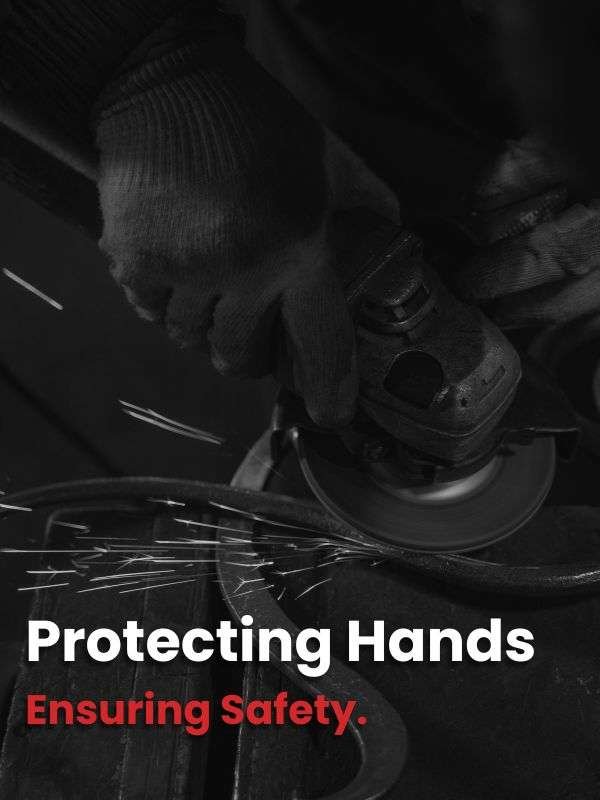

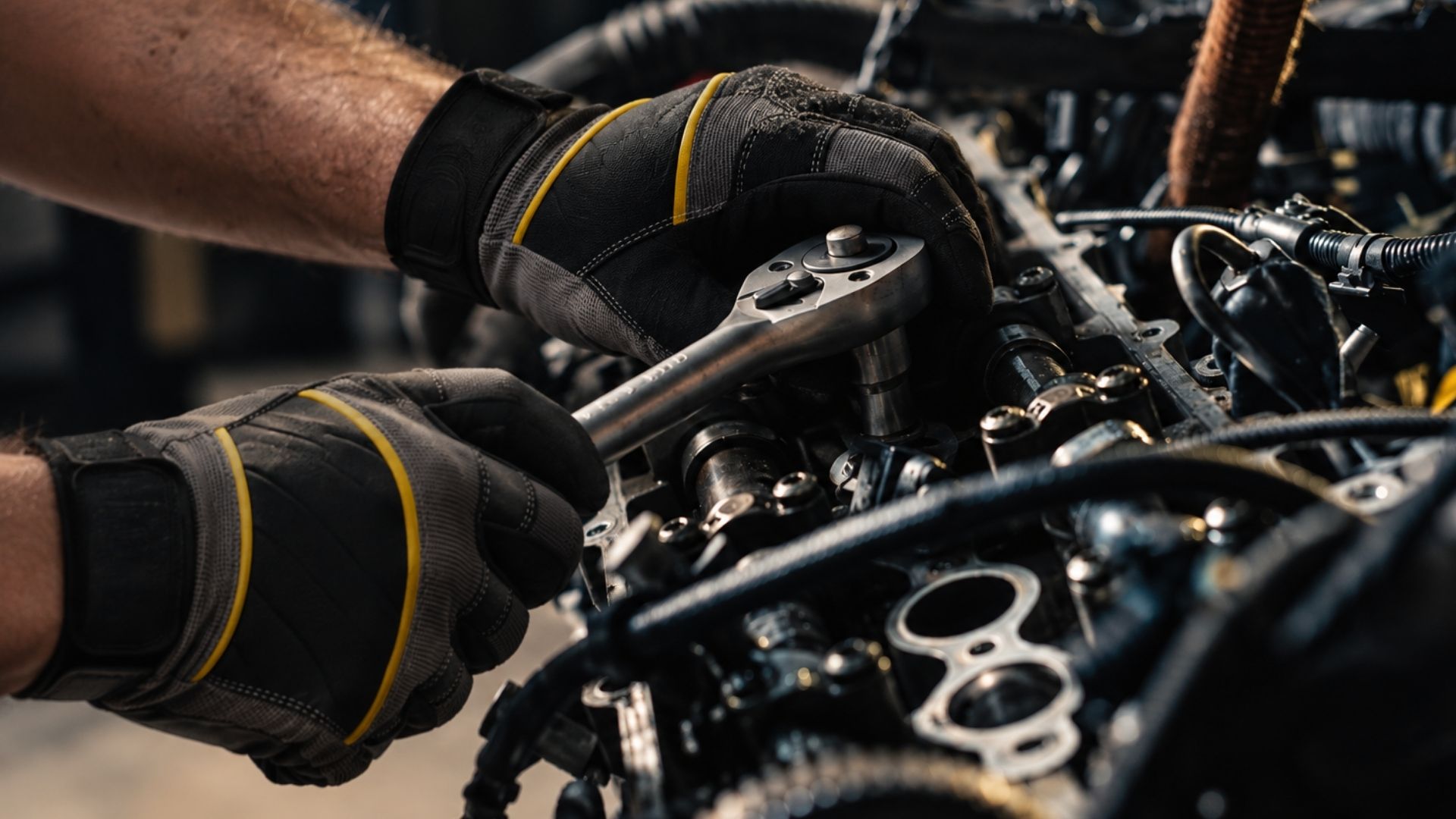
A mechanic’s hands are at the center of almost every job. From tightening bolts and repairing engines to handling tools, changing components, servicing machinery, and working around oil, grease, and rough metal, hands are constantly exposed to demanding workshop conditions.
That is why choosing the right mechanic gloves is an essential part of professional mechanical work. The right pair of mechanical work gloves does more than simply cover the hands. When properly selected for the task, they can support hand protection, grip, dexterity, comfort, durability, and more controlled handling of tools and components.
Whether the job involves automotive repair, industrial maintenance, machinery servicing, engineering, manufacturing, assembly, or general workshop work, suitable work gloves for mechanics can help workers perform demanding tasks with greater confidence and control.
In this guide, we explore why mechanics need appropriate hand protection, what features matter most, how mechanical gloves support different tasks, and what businesses should consider when choosing professional mechanic gloves.
Why Are Mechanic Gloves Important?
Mechanical environments bring the hands close to a wide variety of workplace hazards. Sharp edges, rough surfaces, tools, machinery components, fasteners, wires, oil, grease, and other materials can all create different types of exposure.
Even routine automotive work may require a mechanic to reach into tight spaces where visibility and movement are limited. During engine repairs, equipment servicing, component replacement, or machinery maintenance, hands may repeatedly contact hard, abrasive, sharp, or slippery surfaces.
Common mechanical hand hazards can include:
- Abrasion from rough surfaces and components
- Cuts or punctures from sharp metal and edges
- Reduced grip around oily or greasy parts
- Repeated friction during tool and component handling
Suitable safety gloves for mechanics provide a practical barrier against hazards for which the glove has been designed and selected. The goal is not simply to wear the thickest glove possible. Effective hand protection comes from balancing mechanical resistance, grip, flexibility, fit, comfort, durability, and dexterity according to the task.
Better Grip for Better Tool Control
Grip is one of the most important characteristics of high-quality mechanic work gloves.
Mechanics regularly use wrenches, ratchets, screwdrivers, drills, fasteners, filters, automotive components, and other tools. These objects can become harder to control when oil, grease, moisture, lubricants, or dirt are present.
Suitable mechanic gloves with good grip can help provide more stable contact between the worker’s hands and the tools or components being handled. This becomes particularly important during jobs that involve frequent repositioning of the hands or working with smooth and irregular surfaces.
Grip performance should always be considered together with dexterity. A glove that provides traction but significantly limits finger movement may not be appropriate for detailed mechanical tasks.
The ideal grip gloves for mechanics should therefore support secure handling without unnecessarily reducing the worker’s ability to control tools, fasteners, and smaller components.
Protection Against Mechanical Hazards
A professional workshop contains more than just tools. Mechanics may come into contact with rough components, sheet metal, unfinished edges, wires, machinery parts, and damaged materials.
For this reason, protective gloves for mechanics should be selected according to the actual mechanical risks of the task.
A worker handling rough industrial components may need different protection from a technician carrying out detailed automotive repairs. Similarly, jobs involving sharp metal can require different glove performance from routine tool handling or general maintenance.
The most relevant mechanical hazards may include abrasion, cutting, tearing, and puncture. Rather than selecting a glove only because it looks thick or heavy-duty, professional users should consider its tested performance and whether that performance corresponds to the workplace hazard.
The right mechanical safety gloves are not necessarily the heaviest gloves. They are the gloves that provide the appropriate protection while allowing the mechanic to perform the task effectively.
Dexterity Matters in Mechanical Work
Mechanical jobs often require precision.
A mechanic may need to start a small bolt by hand, position a connector, adjust a component, operate a screwdriver, reach inside an engine compartment, or work with small fasteners in confined spaces.
These tasks require controlled finger movement, which is why dexterity is a major consideration when choosing automotive mechanic gloves.
Overly bulky gloves may interfere with detailed work. A well-designed glove should allow the fingers to bend naturally and provide enough tactile control for the intended task.
For automotive repair, assembly, maintenance, and equipment servicing, flexible mechanic gloves can offer an effective balance between hand protection and freedom of movement.
The level of dexterity required will always depend on the job. Precision work may prioritize flexibility and tactile control, while heavier mechanical tasks may require a greater emphasis on durability and mechanical resistance.
Comfort During Long Working Hours
Mechanics rarely wear gloves for only a few minutes. In professional workshops and industrial environments, gloves may be worn repeatedly throughout long working shifts.
That makes comfort an important part of glove performance.
A glove that is too tight may restrict normal movement, while an oversized glove can leave excess material around the fingers and palm. Both situations may interfere with tool handling and overall comfort.
High-quality mechanic work gloves should fit securely while allowing the hand to move naturally. Depending on the glove design, factors such as flexibility, breathability, internal materials, cuff construction, and overall fit can influence the wearing experience.
Comfort should never replace protection, but neither should it be ignored. When workers need gloves for extended periods, the best solution is one that combines appropriate protection with a comfortable and functional fit.
Mechanical Gloves for Oil and Grease
Oil and grease are part of everyday work in many automotive workshops, maintenance facilities, factories, and industrial environments.
These substances can make tools and components more difficult to handle. This is why work gloves for oily environments should be selected with grip conditions in mind.
Depending on their palm material and construction, certain gloves may provide better handling characteristics under oily conditions. Buyers should check whether the selected glove is suitable for the environment in which it will actually be used.
It is equally important to understand that mechanical protection and chemical protection are not the same thing. A standard mechanical glove should not automatically be assumed to provide adequate protection against fuels, solvents, degreasers, cleaning chemicals, or other substances.
Where chemical exposure is expected, the glove should also be evaluated against the specific substance, concentration, duration of contact, and relevant chemical-resistance information.
Durability for Demanding Workshop Conditions
Mechanical work places repeated stress on gloves.
Gripping tools, carrying components, handling rough materials, bending the fingers, and working around machinery can gradually wear down glove materials. For professional users, durability therefore affects both performance and value.
High-quality durable mechanic gloves should be constructed according to the workload they are expected to handle. Materials, palm construction, reinforcement, seams, coatings, cuffs, and overall workmanship can all influence how well a glove performs during repeated use.
Durability, however, does not mean a glove should be used indefinitely. Gloves should be inspected regularly, particularly after demanding work.
Signs that replacement may be required include:
- Holes, tears, or damaged seams
- Excessive palm or fingertip wear
- Damaged or deteriorated coatings
- Noticeable reduction in grip performance
- Contamination or material deterioration
Replacing worn gloves at the appropriate time helps ensure workers are not relying on equipment whose original performance may have been compromised.
How to Choose the Right Mechanic Gloves
There is no single best mechanic glove for every job.
The correct choice depends on what the mechanic is doing, what materials are being handled, which hazards are present, and how much grip and dexterity the task requires.
A technician carrying out detailed engine work may require a different glove from a worker moving heavy machinery components. Similarly, automotive work gloves for routine servicing may have different requirements from industrial mechanical gloves used around abrasive or sharp materials.
When selecting gloves, consider four key factors:
- Protection: Match mechanical resistance to the hazards of the job.
- Grip: Consider whether surfaces are dry, wet, oily, or greasy.
- Dexterity: Ensure the worker can comfortably control tools and small components.
- Fit and comfort: Choose the correct size for secure, natural hand movement.
Selecting gloves around the actual application helps businesses avoid the common mistake of using one glove specification for every mechanical task.
Understanding EN 388 for Mechanical Gloves
For professional buyers searching for mechanical protection gloves, recognized performance standards provide useful information about how a glove has been tested.
EN 388 is widely used for protective gloves against mechanical risks. Depending on the applicable glove construction and testing, performance information can address resistance to abrasion, cutting, tearing, and puncture, with additional testing relevant to certain glove types.
These ratings give PPE buyers a more objective way to compare industrial safety gloves rather than relying only on marketing terms such as “heavy-duty,” “strong,” or “extra durable.”
However, the highest available rating is not automatically the best choice for every task.
The glove should correspond to the workplace risk assessment and the functional requirements of the job. A high-protection glove that unnecessarily limits movement may not be suitable for a precision task, just as a lightweight glove may not provide sufficient resistance for more demanding mechanical handling.
The objective should always be simple: the right level of protection for the right job.
Mechanic Gloves for Automotive Repair
Automotive repair is one of the most common applications for mechanic gloves.
During a typical working day, an automotive technician may perform engine maintenance, brake servicing, tire work, suspension repairs, inspections, component replacement, and general vehicle maintenance.
This variety of tasks means automotive mechanics often need gloves that combine multiple performance characteristics.
Good automotive work gloves should provide suitable grip for tools and components while maintaining the flexibility needed for detailed work. A secure fit can also help when mechanics switch between ratchets, wrenches, screwdrivers, drills, and smaller fasteners.
For many automotive applications, the most effective glove is not necessarily the thickest. It is one that provides the right combination of grip, dexterity, comfort, durability, and mechanical protection for the job being performed.
Mechanical Gloves for Industrial Maintenance
The need for mechanical hand protection extends far beyond automotive garages.
Maintenance teams across manufacturing plants, warehouses, engineering facilities, factories, construction-related operations, and machinery workshops regularly work with industrial equipment, tools, metal components, production systems, and repair machinery.
Depending on the application, industrial work gloves for mechanics may need to provide stronger abrasion resistance, durable construction, reliable grip, or additional mechanical performance while maintaining sufficient flexibility for maintenance work.
Typical applications can include machinery maintenance, equipment servicing, engineering work, component handling, manufacturing operations, assembly, tool handling, and general industrial maintenance.
For businesses operating across several departments, using task-specific glove specifications can be more effective than trying to make one glove perform every function.
Mechanical Gloves vs General-Purpose Work Gloves
General-purpose gloves can work well for many routine handling applications, but professional mechanical work often creates more specific performance requirements.
Mechanics need to grip tools, manipulate fasteners, reach into confined areas, handle machinery components, and sometimes work around oily surfaces. This creates a greater need to consider grip, abrasion resistance, durability, flexibility, fit, and dexterity together.
A good professional mechanic glove should therefore be selected according to its intended application rather than simply because it is labelled as a work glove.
For lighter tasks, a flexible general-purpose glove may be sufficient. For demanding mechanical applications, a more specialized glove may be required.
Understanding this difference helps businesses select hand protection based on actual workplace requirements rather than using the same glove for every operation.
The Importance of Proper Glove Fit
Even a well-designed glove can perform poorly if the size is wrong.
Loose gloves may shift around the hand and leave excess material around the fingertips, making smaller objects harder to control. Gloves that are too tight may restrict movement and become uncomfortable during longer periods of use.
Correctly sized mechanic gloves for tool handling should move naturally with the hand while maintaining a secure fit around the fingers and palm.
For companies purchasing mechanical gloves in volume, offering workers an appropriate range of sizes can help improve both comfort and functionality.
Fit may seem like a small detail, but in mechanical work—where every grip, turn, adjustment, and movement matters—it can make a meaningful difference.
What Makes a High-Quality Mechanic Glove?
There is no single feature that defines the perfect mechanic glove.
Instead, quality comes from how well several characteristics work together.
For most professional applications, buyers should look for an appropriate combination of:
- Reliable grip and tool control
- Suitable mechanical resistance
- Flexible finger movement and dexterity
- Secure and comfortable fit
- Durable materials and construction
The priority of each feature changes according to the task.
Precision automotive repairs may place more emphasis on dexterity, while rough industrial handling may demand greater durability and abrasion resistance. Oily environments can make grip a higher priority, while jobs involving sharper materials may require specific cut-performance considerations.
This is why the best work gloves for mechanics are always selected around the work itself.
Mechanical Work Gloves from Noorsons Safety
At Noorsons Safety, we understand that professional hand protection must perform where it matters most: in real working environments.
Our range of mechanical gloves, mechanic work gloves, industrial safety gloves, general-purpose gloves, and professional work gloves is developed for demanding applications where reliable construction, grip, flexibility, durability, comfort, and appropriate protection matter.
Our mechanical glove solutions can support a wide range of professional applications, including automotive repair, industrial maintenance, engineering, manufacturing, machinery servicing, workshop operations, assembly, and general mechanical handling.
For distributors, importers, PPE suppliers, industrial businesses, and private-label brands, Noorsons Safety also provides OEM and custom glove manufacturing solutions. Depending on product requirements, glove specifications can be developed around materials, palm construction, coatings, cuffs, colors, branding, labels, packaging, and other customer-specific requirements.
The objective is not to create one glove for every job. It is to develop professional hand protection around the needs of the people and industries that actually use it.
Conclusion: Better Mechanical Work Starts with the Right Gloves
A mechanic’s hands perform thousands of movements throughout the working day. They grip tools, tighten fasteners, position components, inspect machinery, reach into confined spaces, and carry out the precise movements that keep vehicles and industrial equipment working.
That is why choosing the right mechanic gloves matters.
Suitable mechanical work gloves should provide a balanced combination of protection, grip, dexterity, durability, comfort, and fit according to the task. Whether the application involves automotive repair, industrial maintenance, machinery servicing, engineering, manufacturing, or general mechanical work, glove selection should always reflect the real hazards and performance requirements of the workplace.
For distributors, PPE suppliers, private-label brands, workshops, and industrial businesses looking for dependable mechanic gloves, automotive work gloves, mechanical safety gloves, industrial work gloves, and custom safety glove manufacturing, explore professional hand-protection solutions from Noorsons Safety.
When every movement matters, choose hand protection built to keep up with the work.