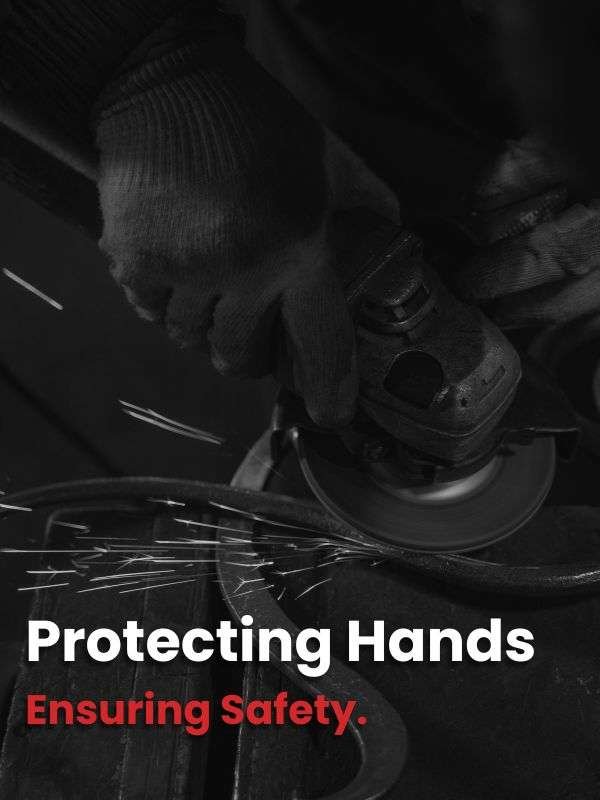

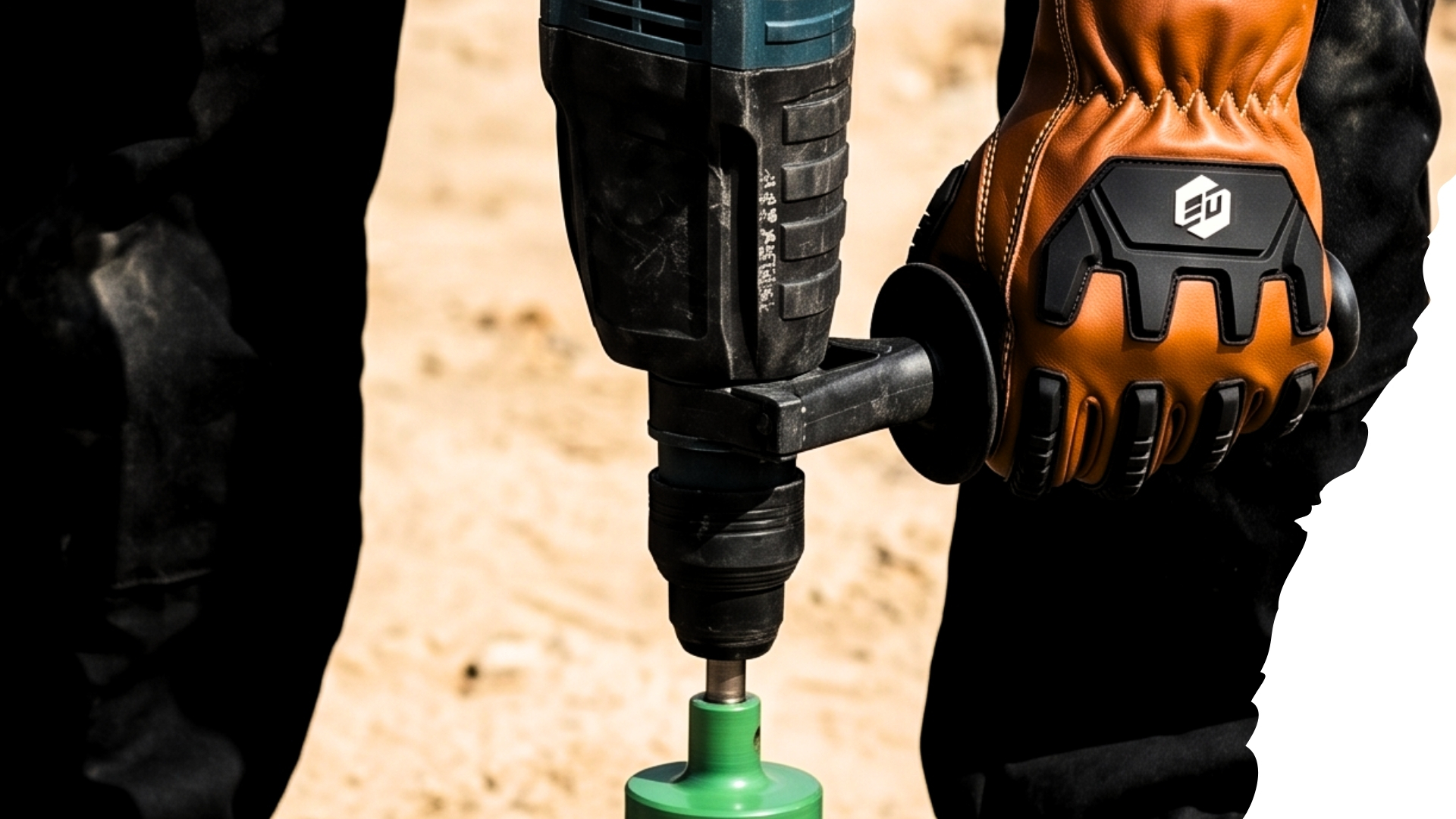
Power tools are essential in industries like construction, mining, agriculture, automotive, forestry, maintenance, and manufacturing. Tools such as jackhammers, grinders, electric saws, drills, and impact wrenches help workers complete demanding jobs faster and more efficiently.
However, the constant vibration from these tools can create serious health risks when exposure is not properly controlled. What may feel like a normal part of the job can slowly lead to hand-arm vibration injuries, reduced grip strength, nerve damage, poor blood circulation, and long-term discomfort.
At Noorsons Safety, we believe workplace protection starts with awareness, the right safety practices, and reliable personal protective equipment. This guide explains the risks of power tool vibration, early warning signs, and practical ways to protect your workforce with proper safety gloves and preventive measures.
What Are Hand-Arm Vibration Injuries?
Hand-arm vibration injuries are health problems caused by repeated exposure to vibrating tools and machinery. These injuries can affect the muscles, joints, nerves, and blood vessels in the hands, fingers, wrists, and arms.
Workers who regularly use high-vibration tools are at greater risk, especially when exposure continues for long periods without breaks or proper protection. Over time, vibration can reduce hand control, weaken grip, and make daily tasks difficult.
Common symptoms may include:
- Tingling or numbness in the fingers and hands
- Loss of grip strength
- Finger pain or stiffness
- Reduced hand movement and control
- Cold sensitivity in the fingers
- White or pale fingers, especially in cold weather
- Difficulty holding tools, materials, or small objects
Ignoring these early signs can allow the condition to become worse. That is why prevention, monitoring, and proper PPE are essential for every workplace using power tools.
Understanding Vibration White Finger
One of the most serious conditions linked with power tool vibration is vibration white finger, also known as a form of hand-arm vibration syndrome. This condition affects blood circulation in the fingers and can cause them to turn white, cold, numb, or painful.
Vibration white finger often develops slowly. At first, symptoms may appear only after using vibrating tools or working in cold temperatures. As the condition progresses, symptoms can become more frequent and may affect a worker’s ability to perform safely.
This condition is especially dangerous because advanced damage may not fully reverse. Once blood vessels and nerves are severely affected, workers may experience long-term discomfort, reduced performance, and difficulty handling tools or materials.
For businesses, this can also mean lower productivity, increased safety risks, and higher workplace health concerns. Prevention is always better than treatment.
Why Power Tool Vibration Is a Workplace Safety Risk
Power tool vibration is not just a comfort issue. It is a serious occupational safety concern. Workers depend on their hands for control, balance, strength, and precision. When vibration exposure affects hand function, the risk of accidents increases.
A worker with numb fingers or reduced grip strength may struggle to hold a tool firmly, control cutting equipment, carry materials, or react quickly during a task. This can lead to mistakes, dropped tools, poor handling, and workplace injuries.
Industries that commonly face vibration-related risks include:
- Construction and demolition
- Welding and fabrication
- Roadwork and maintenance
- Mining and drilling
- Agriculture and forestry
- Automotive repair
- Industrial manufacturing
- Warehouse and mechanical work
Any job that involves repeated use of vibrating tools should include a clear safety plan to reduce exposure and protect workers.
How to Prevent Hand-Arm Vibration Injuries
Preventing hand-arm vibration injuries requires a combination of safe work habits, proper tool maintenance, controlled exposure time, and reliable protective gloves. Employers should create a workplace safety routine that helps workers stay protected every day.
1. Use Properly Maintained Tools
Damaged, old, or poorly maintained tools often produce more vibration than necessary. Regular inspection and maintenance can help reduce vibration levels and improve tool performance.
Check tools for loose parts, worn blades, damaged handles, poor alignment, and unusual vibration. Keeping equipment in good condition protects both the worker and the quality of the job.
2. Choose Low-Vibration Tools When Possible
Modern tools often come with improved designs that reduce vibration. When selecting equipment, choose low-vibration models where possible. This is especially important for workers who use tools daily or for long periods.
Better tool selection can make a major difference in long-term workplace hand protection.
3. Limit Daily Exposure Time
One of the most effective ways to reduce vibration-related injuries is to limit how long workers use vibrating tools. Rotate tasks between team members, schedule regular breaks, and avoid long continuous tool operation.
Short rest periods allow the hands and arms to recover, helping reduce stress on nerves, muscles, and blood vessels.
4. Keep Hands and Tools Warm
Cold conditions can make vibration injuries worse because cold temperatures reduce blood flow to the fingers. Workers using power tools outdoors or in cold environments should keep their hands warm and dry.
Warm gloves, proper storage of tools, and heated rest areas can help reduce the risk of cold-related hand problems.
5. Train Workers to Recognize Early Symptoms
Workers should understand the warning signs of hand-arm vibration syndrome. Early reporting can prevent minor symptoms from becoming serious health problems.
Training should include:
- How vibration affects the hands and arms
- Early symptoms to watch for
- Safe tool handling techniques
- Importance of breaks and job rotation
- Correct use of safety gloves and PPE
A trained workforce is more likely to work safely and report problems before they become permanent.
6. Wear the Right Safety Gloves
Safety gloves play an important role in workplace hand protection. For power tool tasks, gloves should provide a secure grip, comfort, flexibility, and added support during tool handling.
Anti-vibration gloves or vibration-reducing safety gloves are designed to help reduce the impact of tool vibration and improve comfort during demanding tasks. They should fit properly and allow workers to maintain good control of the tool.
At Noorsons Safety, our protective gloves are designed for hardworking professionals who need reliable hand protection in tough environments. Whether your team works in construction, mechanical handling, welding, fabrication, or general industrial operations, the right gloves help improve safety, grip, and confidence on the job.
Best Safety Practices for Power Tool Users
To build a safer work environment, employers should combine PPE with strong safety procedures. Here are some practical power tool safety tips:
- Inspect tools before every use
- Avoid using damaged or unstable equipment
- Use the correct tool for the job
- Maintain a firm but relaxed grip
- Do not force tools beyond their working capacity
- Take regular breaks during vibration-heavy tasks
- Keep hands warm and dry
- Wear properly fitted safety gloves
- Report numbness, tingling, or finger discoloration early
- Follow workplace PPE and safety guidelines
These steps may seem simple, but they can greatly reduce workplace risk when followed consistently.
Why Noorsons Safety Gloves Are a Smart Choice
Noorsons Safety provides protective gloves and PPE solutions made for real work environments. Our focus is to support workers with dependable hand protection that helps improve safety, comfort, and performance.
Our safety gloves are suitable for industries where workers need protection against rough handling, tool use, mechanical tasks, industrial materials, and daily workplace hazards.
With the right gloves, teams can work with better grip, better control, and better confidence.
Conclusion
Hand-arm vibration injuries are preventable when employers take the right steps. Proper tool maintenance, worker training, controlled exposure time, warm working conditions, and quality safety gloves all play an important role in reducing risk.
Power tool safety should never be ignored. Protecting workers today helps prevent long-term health problems, improves workplace performance, and builds a stronger safety culture.
Equip your team with reliable workplace hand protection from Noorsons Safety.
Explore professional safety gloves and protective equipment at noorsonss.com and choose better protection for every tough job.