
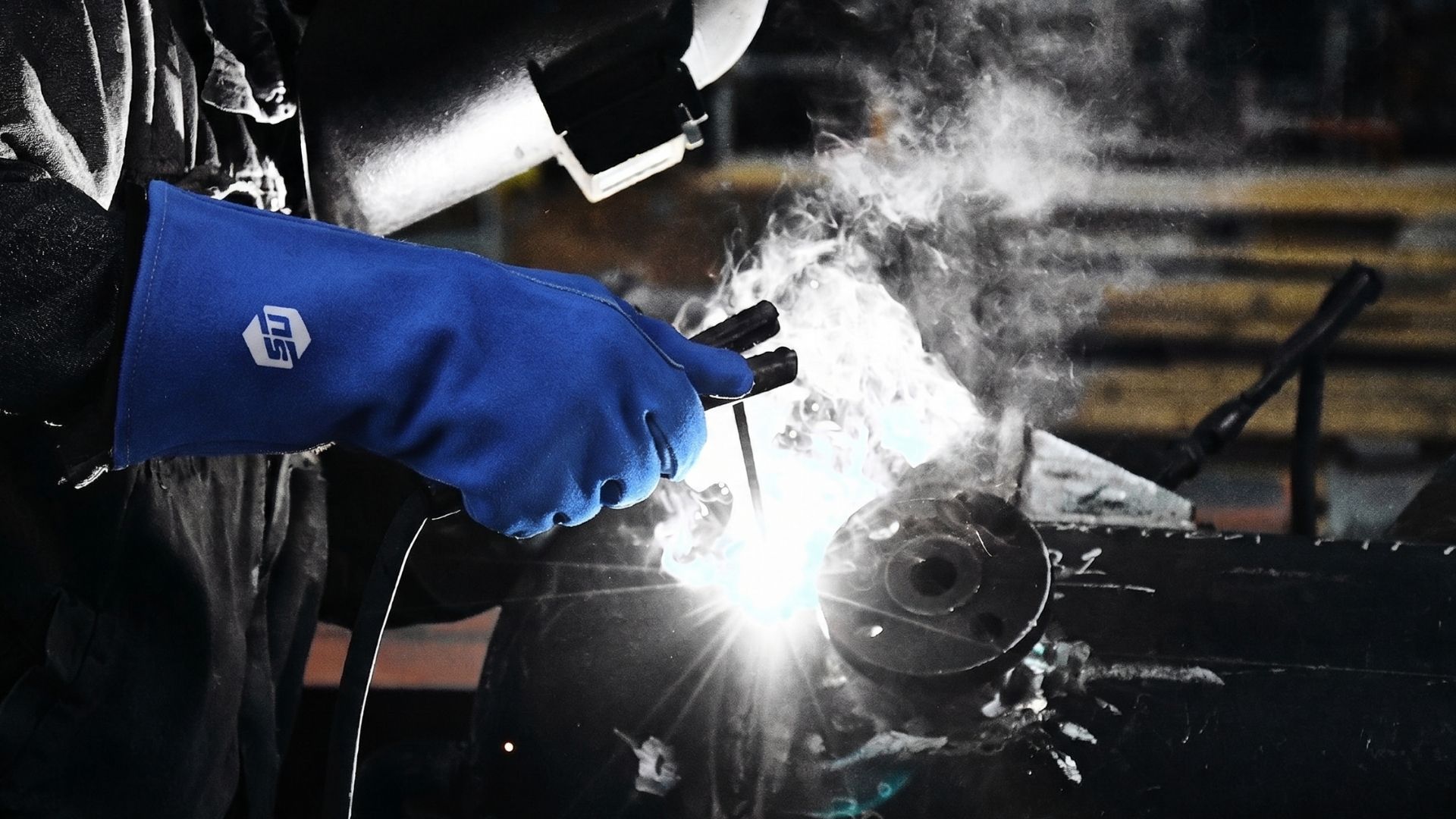
However, not every welding glove is made for the same purpose. A glove designed for heavy Stick welding may feel too thick for detailed TIG welding. Similarly, a lightweight TIG glove may not offer enough protection for high-heat welding work.
At Noorsons Safety, we understand that professional welding gloves must provide more than basic hand coverage. They should offer dependable protection, durable construction, a secure grip and the right level of movement for each welding process.
Why the Right Welding Gloves Matter in 2026
Modern welding work is becoming more demanding. Welders are expected to work accurately, complete tasks efficiently and maintain high safety standards. The gloves they wear can directly affect their comfort, control and overall performance.
Poor-quality gloves may become hard, tear around the seams or lose their protective strength after limited use. They can also make the hands feel tired during long working hours.
Well-designed leather welding gloves, on the other hand, create a strong protective layer between the hands and common welding hazards. They can help protect against sparks, short contact with heat, rough metal surfaces and minor cuts during handling.
The correct welding gloves should provide:
- Suitable heat and spark protection
- Strong leather construction
- Comfortable hand movement
- Secure grip on tools and materials
- Reinforced stitching in high-stress areas
- Wrist and lower-arm coverage
The most important point is to select gloves according to the welding application. Thickness alone does not make a glove suitable. Material, lining, cuff length, flexibility and construction must all work together.
Understanding Different Types of Welding Gloves
Welding gloves are usually selected according to the process being performed. MIG, TIG and Stick welding produce different levels of heat, sparks and spatter. They also require different levels of hand movement.
Heavy welding work normally requires thicker and more protective gloves. Precision work requires gloves that allow better finger control.
Among the most widely used options are Stick welding gloves and TIG welding gloves. Both are made to protect welders, but their design and performance requirements are very different.
Stick Welding Gloves: Built for Demanding Work
Stick welding is commonly used in construction, repair work, structural steel projects and outdoor industrial applications. It is valued for its ability to work on strong and heavy materials, but the process can generate intense sparks, heat and welding spatter.
For this reason, Stick welding gloves are normally thicker and more protective than gloves used for precision welding.
They are commonly manufactured from durable cowhide split leather. This type of leather has a strong surface and performs well when exposed to rough materials, sparks and demanding working conditions.
A quality Stick welding glove should include a strong palm, protective back area and an extended cuff. The cuff helps cover the wrist and part of the lower arm, where sparks may otherwise enter through the glove opening.
Important Features of Stick Welding Gloves
The best Stick welding gloves are designed for protection and durability. Their most useful features include:
- Thick cowhide or split-leather construction
- Reinforced palm and thumb areas
- Heat-resistant lining
- Long protective cuff
- Strong stitching
- Comfortable inner finish
- Durable design for repeated industrial use
Reinforcement is especially important around the thumb, palm and finger areas because these parts experience frequent movement and contact with equipment.
A soft internal lining can also improve comfort and provide an extra layer between the hand and external heat. However, the glove should still allow enough movement to hold the electrode holder and manage tools safely.
Stick welding gloves are a practical choice for welders working in fabrication plants, shipyards, construction sites, maintenance workshops and other heavy industrial environments.
TIG Welding Gloves: Designed for Precision and Control
TIG welding is different from Stick welding because it requires greater accuracy and controlled hand movement. The welder must carefully operate the torch while feeding the filler rod with the other hand.
Bulky gloves can make this process difficult. This is why TIG welding gloves are normally softer, lighter and more flexible.
Goatskin is commonly used for TIG gloves because it provides a useful combination of softness, strength and dexterity. The material allows the fingers to move more naturally, making it easier to maintain control during detailed welding work.
TIG gloves are often unlined or lightly lined. A heavy lining may reduce finger sensitivity, which is necessary when handling small tools and thin metal components.
What Makes a Good TIG Welding Glove?
A professional TIG welding glove should provide protection without creating unnecessary bulk. Important features include:
- Soft and flexible grain leather
- Close and comfortable fitting
- Good finger movement
- Smooth internal seams
- Reliable grip
- Lightweight construction
- Protective wrist cuff
The glove should fit securely without feeling too tight. Gloves that are too loose may reduce tool control, while gloves that are too tight can cause discomfort and hand fatigue.
TIG welding gloves are suitable for stainless-steel work, thin metal fabrication, automotive applications, custom metalwork and other projects where accuracy is more important than heavy-duty heat protection.
Stick Welding Gloves vs TIG Welding Gloves
Although both glove types are made for welding, they should not be treated as interchangeable products.
Stick welding gloves focus mainly on heavy protection. Their thicker leather, reinforced construction and protective lining make them suitable for heat, sparks and rough working conditions.
TIG welding gloves focus more on dexterity. Their lighter leather and flexible design allow the welder to control the torch and filler material with greater accuracy.
A Stick welding glove may feel too stiff for detailed TIG work. In the same way, a thin TIG glove may not provide suitable protection during aggressive Stick welding.
The correct choice depends on the balance between protection and control.
Choose Stick welding gloves when the job involves:
- Heavy sparks and welding spatter
- Structural welding
- Outdoor welding
- Thick metal
- High-wear working conditions
Choose TIG welding gloves when the job requires:
- Precise torch control
- Better finger movement
- Thin metal welding
- Detailed fabrication
- Lightweight and flexible protection
Choosing the Best Leather for Welding Gloves
Leather remains one of the most widely used materials for industrial welding gloves because it offers durability, grip and resistance against common workplace hazards.
Different leather types provide different advantages.
Cowhide Leather
Cowhide is strong, reliable and suitable for repeated industrial use. It is commonly used for Stick welding and other heavy-duty applications.
Its durable structure helps protect against abrasion, sparks and rough metal handling. Cowhide welding gloves may also include reinforced patches or internal linings for additional performance.
Cowhide Split Leather
Split leather has a rough and strong surface that performs well in harsh working conditions. It is often used in Stick welding gloves, welding sleeves and other protective leather products.
Its natural texture can also provide a secure grip when handling tools and metal parts.
Goatskin Leather
Goatskin is softer and more flexible than many heavier leather options. It is commonly used in TIG welding gloves because it supports better hand movement and tool control.
Despite its lighter feel, good-quality goatskin can provide reliable strength for precision welding applications.
Selecting the correct leather is essential. Heavy leather should be used where protection is the main requirement, while softer leather is more suitable where flexibility is necessary.
Important Details to Check Before Buying Welding Gloves
Before selecting industrial welding gloves, buyers should examine more than the product appearance.
The glove should match the welding process, working temperature, required movement and expected use. A glove used occasionally in a small workshop may have different requirements from one used throughout a full shift in an industrial environment.
The stitching should be secure and protected from direct wear. Weak seams can open quickly when exposed to repeated heat and movement.
The cuff should also be long enough for the application. A longer cuff provides better coverage around the wrist and lower arm, especially during Stick welding and high-spatter work.
Fit is equally important. A properly fitted glove improves grip and reduces unnecessary hand fatigue. The worker should be able to hold tools securely without the glove slipping or restricting movement.
Buyers should consider:
- Welding process
- Leather type and thickness
- Heat and spatter level
- Palm and thumb reinforcement
- Lining material
- Cuff length
- Stitching quality
- Available glove sizes
- Required safety standards
- Expected working conditions
These details help ensure that the selected gloves provide practical protection and comfortable performance.
How Proper Welding Gloves Improve Performance
Welding gloves are not only protective equipment. They also support the quality and consistency of the work.
A glove with the correct grip helps the welder hold tools more securely. A flexible TIG glove makes small adjustments easier, while a durable Stick glove allows the worker to focus on the task without worrying about sparks reaching the hands.
Comfort also matters during long working hours. Gloves that become uncomfortable can distract the worker and reduce concentration. A well-designed glove supports natural hand movement and helps reduce fatigue.
This combination of protection, comfort and control can contribute to safer and more efficient welding.
Caring for Welding Gloves
Even strong welding gloves need proper care. Regular inspection and suitable storage can help maintain their condition.
After use, remove loose dust and surface dirt with a soft brush or slightly damp cloth. Avoid using harsh chemicals unless the manufacturer specifically recommends them.
If the gloves become damp, allow them to dry naturally in a ventilated place. Direct heat, flames or strong sunlight may cause the leather to become hard or cracked.
Store welding gloves in a clean and dry area, away from chemicals, sharp tools and moisture.
Gloves should be replaced when the leather becomes thin, the stitching opens or burned areas and holes appear. Damaged gloves should never be used simply because the remaining parts still look acceptable.
Noorsons Welding Gloves for Professional Applications
Noorsons Safety manufactures welding gloves for professional, industrial and commercial use. Our welding glove range is developed for different tasks, protection levels and market requirements.
We offer options in cowhide split leather, goat grain leather and other suitable materials. Different designs can be developed for Stick, TIG and general welding applications.
Noorsons also supports wholesalers, distributors and private-label businesses with:
- Custom glove construction
- Brand logo customization
- Different leather and lining options
- Custom colours
- Packaging solutions
- Bulk production
- OEM and private-label manufacturing
Our goal is to provide welding gloves that combine dependable protection, practical comfort and durable construction.
Conclusion
Choosing the best welding gloves in 2026 starts with understanding the work being performed.
Stick welding requires thick, durable and well-reinforced gloves that can handle heavy sparks, heat and rough working environments. TIG welding requires softer and more flexible gloves that support precise hand movement and better control.
The material, fit, stitching, lining and cuff design should always match the welding application. Using the correct gloves can improve protection, comfort and confidence throughout the job.
At Noorsons Safety, we manufacture professional Stick welding gloves, TIG welding gloves and industrial leather safety gloves for businesses and workers who value consistent quality.
Explore our welding glove range at noorsonss.com and choose reliable hand protection for every weld.