
Choosing the correct work glove size may look like a small decision, but it can have a major impact on workplace safety, comfort, grip, and productivity. A glove that fits properly moves naturally with your hand, supports better tool control, and allows you to complete demanding tasks without unnecessary discomfort.
On the other hand, safety gloves that are too tight can restrict movement and place pressure on your fingers, while oversized gloves may slip, bunch, or reduce your control over tools and materials. In both cases, the wrong glove fit can make work more difficult and may even create additional safety risks.
At Noorsons Safety, we understand that reliable hand protection begins with the correct fit. This work glove sizing guide explains how to measure your hands, identify poor-fitting gloves, and select the best work gloves for your daily tasks.
Why Correct Work Glove Sizing Matters
Work gloves are designed to protect your hands from workplace hazards such as cuts, abrasions, heat, chemicals, rough materials, and mechanical risks. However, even a high-quality safety glove may not perform effectively if the size is incorrect.
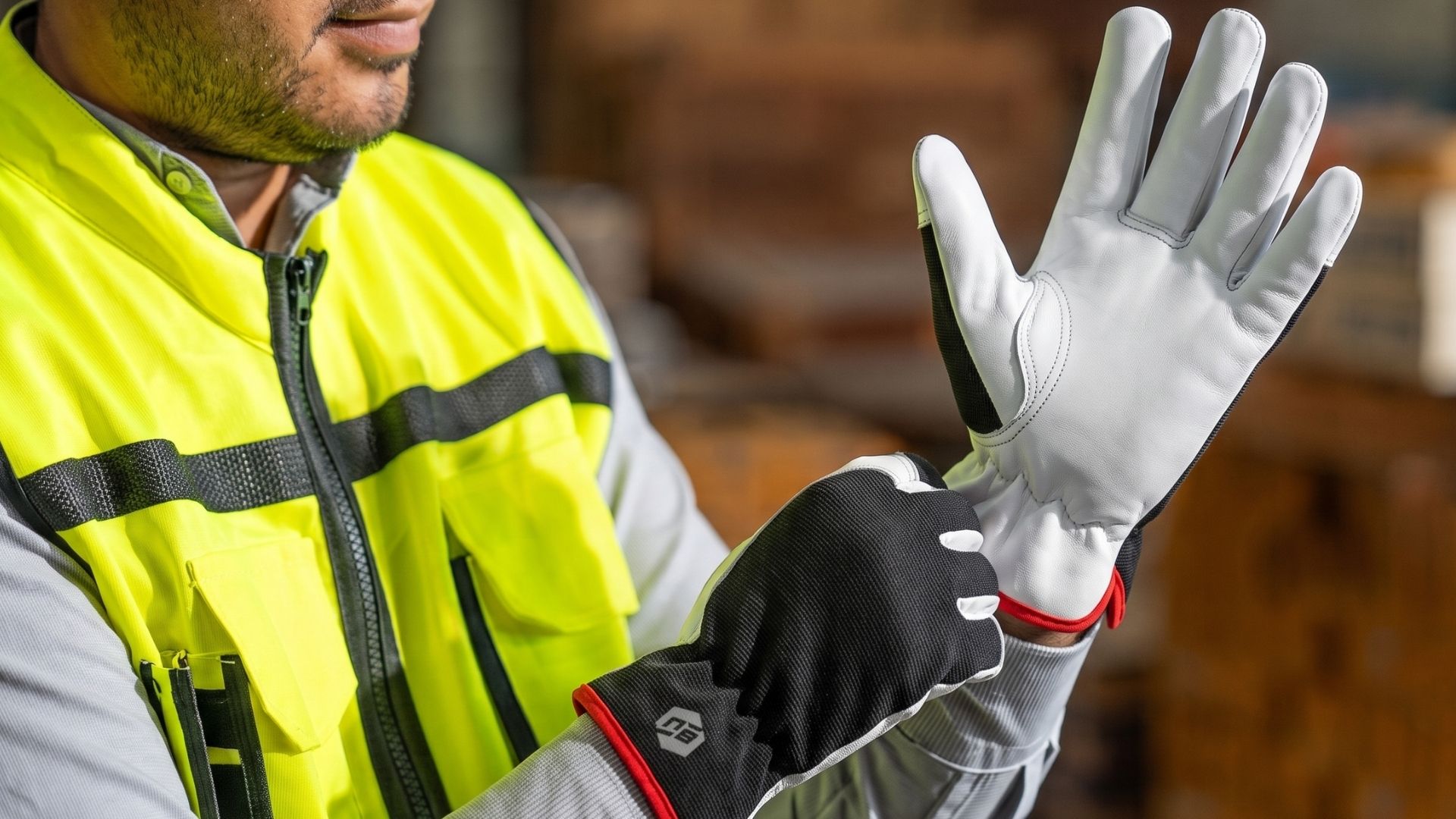
A properly fitted glove should feel secure without squeezing your hand. Your fingers should reach close to the ends of the glove, while the palm material should sit smoothly without folding or bunching. The glove should remain stable when you grip tools, lift materials, or perform repeated hand movements.
Correct work glove sizing can also help reduce unnecessary fatigue. When gloves are too loose, workers often grip tools harder to prevent slipping. When gloves are too tight, the fingers must work against the glove material during every movement. Over a long shift, this additional effort can lead to hand, wrist, and forearm discomfort.
For workers in construction, manufacturing, welding, warehousing, mechanical work, chemical handling, and material handling, the right glove size supports better comfort, improved control, and more consistent workplace performance.
What Does Work Glove Size Mean?
Work glove size is generally based on the circumference of your hand. This measurement is taken around the widest part of your palm, just below the knuckles and without including the thumb.
Glove sizes are commonly available in small, medium, large, extra-large, and double extra-large. However, sizing may vary depending on the manufacturer, glove material, coating, liner, and product design. A medium glove in one model may not fit exactly like a medium glove from another range.
This is why workers should avoid choosing industrial safety gloves based only on their usual clothing size or previous glove purchases. Measuring your hand and checking the product-specific glove size chart is a more reliable way to find the correct fit.
How to Measure Your Hand for Work Gloves
You can easily measure your hand at home or in the workplace using a flexible measuring tape.
Wrap the tape around the widest part of your dominant hand, just below the knuckles. Keep your hand relaxed and make sure the tape is secure but not tight. Record the measurement in inches or centimetres and compare it with the manufacturer’s work glove size chart.
You should also measure the length of your hand from the base of the palm to the tip of the middle finger. This second measurement is helpful for people with longer or shorter fingers, as palm width alone may not always provide the perfect fit.
When your palm circumference and hand length suggest different sizes, consider the larger measurement and the type of glove you are purchasing. Stretchable coated gloves may offer a closer fit, while thick leather, welding, chemical-resistant, or insulated gloves may require slightly more room.
What Happens When Work Gloves Are Too Tight?
Work gloves that are too small may feel secure at first, but they can quickly become uncomfortable during regular use. Tight gloves compress the fingers and palm, limit natural movement, and may place unnecessary pressure around the wrist.
As you bend your fingers, grip tools, or lift materials, the glove fabric is stretched repeatedly. This can make your movements feel stiff and may cause the hands to tire faster. In some cases, workers may experience tingling, numbness, or pressure between the fingers, which can indicate that the glove is restricting circulation.
Tight gloves may also wear out earlier because the coating, leather, seams, or fabric remains under constant tension. Repeated stretching can lead to cracks, tears, seam damage, or reduced durability.
Common signs that your work gloves are too small include:
- Strong pulling between the fingers when making a fist
- Tingling, numbness, or pressure around the hand
- Limited finger movement or wrist discomfort
- Excessive stretching, cracking, or early tearing
A close fit is important for grip and dexterity, but the glove should never feel painfully tight or restrict normal hand movement.
Why Oversized Work Gloves Can Be Dangerous
Loose work gloves create a different set of problems. When gloves are too large, extra material may collect around the fingertips or palm. This material can fold, move, or bunch while you work, making it harder to control tools and handle small components.
Oversized gloves may also rotate around the hand or slide away from the fingertips. As a result, workers often apply more gripping force than necessary to keep the glove stable. This compensatory gripping can increase muscle effort and contribute to early hand and forearm fatigue.
Loose gloves can be especially problematic during precision work, assembly, mechanical tasks, and material handling. Excess fabric may reduce tactile sensitivity, making it harder to feel small objects, control fasteners, or operate equipment accurately.
In workplaces with moving or rotating machinery, loose material can also create an entanglement risk. Workers should always follow task-specific safety procedures and machinery instructions when deciding whether gloves are suitable for a particular operation.
How Glove Fit Affects Grip and Dexterity
Grip strength is essential in many industrial tasks. Whether you are holding a welding torch, using power tools, handling metal sheets, carrying boxes, or operating machinery, the glove should support your hand rather than work against it.
A tight glove limits finger movement and prevents the hand from closing naturally. A loose glove moves before it fully contacts the tool, which can reduce grip stability. Both situations require the worker to use additional force.
Correctly fitted work gloves help the hand and glove move together as one unit. This improves control, allows more natural movement, and reduces unnecessary effort during repetitive work.
The ideal fit also depends on the task. Precision work gloves should usually fit closer to the hand to support fingertip control, while heavy-duty welding gloves, winter gloves, and chemical-resistant gloves may need additional room because of their thicker materials and protective liners.
Different Hand Shapes Need Different Glove Fits
Not every worker has the same hand proportions. Some people have wide palms and short fingers, while others have narrow palms and longer fingers. Two workers may have the same palm circumference but still require different glove designs.
Standard-fit gloves are suitable for people whose palm width and finger length closely match normal sizing charts. Cadet-fit gloves are designed for wider palms with shorter fingers and can reduce the extra material that often appears at the fingertips.
Women-specific work gloves may offer a better fit for narrower palms, slimmer wrists, and different finger proportions. When women-specific sizing is not available, some workers may achieve a better fit by selecting a smaller unisex size. However, hand measurements should always be used instead of relying only on general sizing recommendations.
The correct glove should match both your hand size and hand shape. This creates better fingertip control, improved comfort, and more reliable protection throughout the working day.
Glove Material Also Changes the Fit
Different work glove materials fit and move differently. Leather work gloves may feel firm when new and gradually adjust to the shape of the hand, but they should not feel painfully tight. Nitrile-coated and latex-coated gloves usually provide a closer and more flexible fit, which is useful for general handling, construction, maintenance, and assembly work.
Cut-resistant gloves should sit securely around the hand so the material does not shift while handling sharp objects. Chemical-resistant gloves may feel thicker and less flexible, making correct sizing especially important for grip, cuff coverage, and safe chemical handling.
Insulated winter work gloves require enough room for the insulation to perform effectively. Gloves that are too tight may compress the insulating layer and restrict circulation, causing the hands to feel colder. However, too much empty space can still reduce control, so the glove should remain secure around the palm and wrist.
Quick Ways to Check Your Glove Fit
After putting on a pair of safety gloves, perform a few simple movements before starting work.
Make a complete fist and check for pulling between the fingers or strong pressure across the palm. Open and close your fingers several times to confirm that the glove moves naturally with your hand. Pick up a small object, such as a screw, bolt, or pen, to test fingertip control.
You should also grip the tools you regularly use. The glove should remain stable without rotating, slipping, or bunching around the palm.
A correctly fitted glove should provide:
- Comfortable and natural finger movement
- Minimal empty space around the fingertips
- Smooth palm contact without excessive material
- A secure wrist and cuff area
- Reliable grip without additional hand pressure
If the glove causes numbness, restricts movement, slips during work, or requires constant adjustment, try a different size or glove design.
Choosing the Right Work Gloves for Your Job
Size is only one part of selecting suitable industrial work gloves. You must also consider the hazards involved in the task.
Before choosing safety gloves, evaluate the type of work, the materials being handled, the required level of dexterity, and the possible exposure to cuts, heat, chemicals, abrasion, oil, water, or sharp objects.
A perfectly fitted general-purpose glove will not provide suitable protection for welding or chemical handling. Similarly, a heavy-duty glove may provide excellent protection but may not offer the fine fingertip control needed for precision assembly.
The best work gloves combine the correct size, suitable material, secure grip, appropriate safety rating, and task-specific protection.
Conclusion
Choosing the correct work glove size is essential for comfort, grip, hand protection, and workplace performance. Gloves that are too tight can restrict movement, increase pressure, and wear out quickly, while loose gloves can slip, bunch, and reduce tool control. Instead of guessing, measure your palm circumference and hand length, compare the results with the product size chart, and test the glove through realistic hand movements. At Noorsons Safety, we provide reliable industrial safety gloves designed to support workers across demanding environments. Explore our range of work gloves at noorsonss.com and choose hand protection built for a secure fit, dependable performance, and all-day comfort.